Steam Heat and Dry Winters: Keeping Herringbone and Wide-Plank Floors Tight in Manhattan Apartments
Why wood floors gap in steam-heated Manhattan, NY apartments, how much oak moves, and how to choose and care for herringbone and wide plank in dry winters.
Huggins Wood Floor Specialist/

Key takeaways
- Winter gaps come from dry heated air. Wood shrinks across its width as it loses moisture, and swells again in summer.
- Hold indoor humidity between 30 and 50 percent all year, and measure it with a hygrometer in each main room.
- Quarter-sawn oak moves about half as much across its width as plain-sawn oak.
- Engineered plank moves less than solid, but very dry air can still crack its face; most makers set a humidity minimum.
- Never fill seasonal gaps in winter. The filler is crushed or pushed out when the boards swell in summer.
Wood floors gap in Manhattan apartments in winter because the heated air is very dry, and wood shrinks as it gives up moisture. The fix is partly in the specification, by choosing a cut, width and construction that move less, and partly in the apartment, by keeping humidity in range through the heating season.
This guide covers both. If you are choosing a floor now, or looking at gaps and wondering whether they are normal, you can book a consultation.
Why Manhattan apartments are so dry in winter
Cold outdoor air holds little moisture. When it is brought indoors and heated, its relative humidity falls sharply. Many Manhattan buildings are heated by steam radiators that the resident cannot turn down, so apartments are often warmer than they need to be, which dries the air further. Indoor humidity in a steam-heated apartment can fall well below 30 percent for weeks at a time.
Summer is the opposite. New York summers are humid, and until the air conditioning is running, a floor takes moisture back in. A floor in Manhattan has to cope with both ends of that swing every year.
How much does a wood floor move?
Wood settles at a moisture content set by the air around it. The US Forest Products Laboratory’s Wood Handbook gives these values at 70°F:
| Relative humidity | Moisture content the wood settles at |
|---|---|
| 20% | about 4.5% |
| 30% | about 6.2% |
| 40% | about 7.7% |
| 50% | about 9.2% |
The same handbook gives white oak a dimensional change of 0.00365 per inch of width for each 1 percent change in moisture content when plain-sawn, and 0.00180 when quarter-sawn.
Take a solid plain-sawn white oak board 7 inches wide. If the air goes from 50 percent to 30 percent relative humidity, the board’s moisture content falls by about 3 points, and it shrinks by roughly 7 × 0.00365 × 3, or a little over 1/16 inch. A quarter-sawn board of the same width shrinks about half as much. A 2 1/4 inch strip shrinks about a third as much as the 7 inch board, which is one reason the narrow strip floors in pre-war buildings have lasted so well.

Choosing a floor that moves less
Cut. Rift and quartered oak moves about half as much in width as plain-sawn, and wears evenly. It is the most reliable choice for wide boards in a dry apartment.
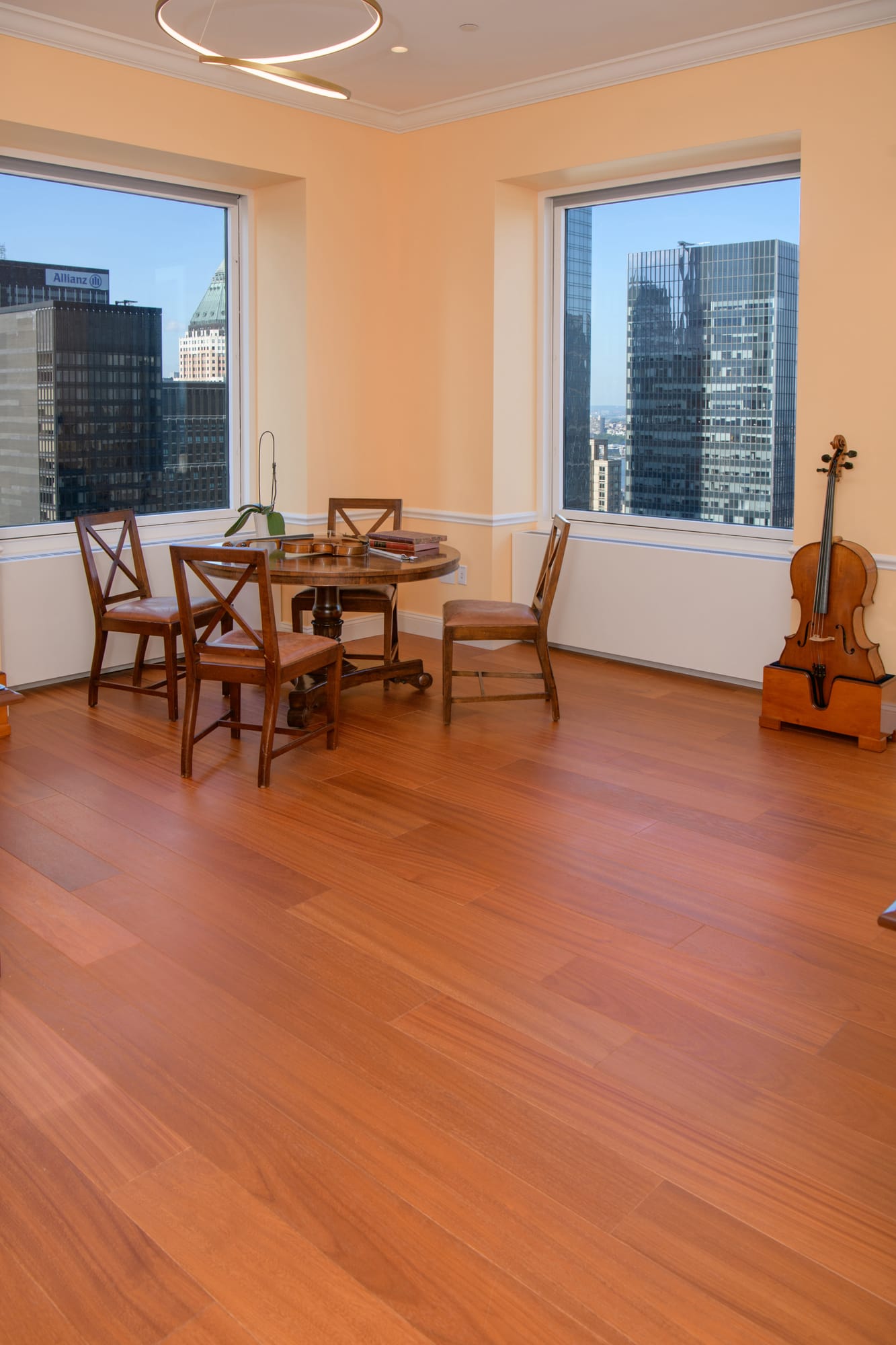
Width. Movement is proportional to width. A very wide solid plank in a steam-heated apartment will show gaps in February however well it is laid. If you want width, consider engineered construction or accept visible seasonal joints.
Construction. Engineered plank has a sawn oak or walnut face on a cross-laminated core, which restrains movement in width. It still has limits: in very dry air the face can develop fine cracks or the board can cup towards its edges. Most manufacturers state a minimum humidity, commonly 30 or 35 percent, and it has to be kept.
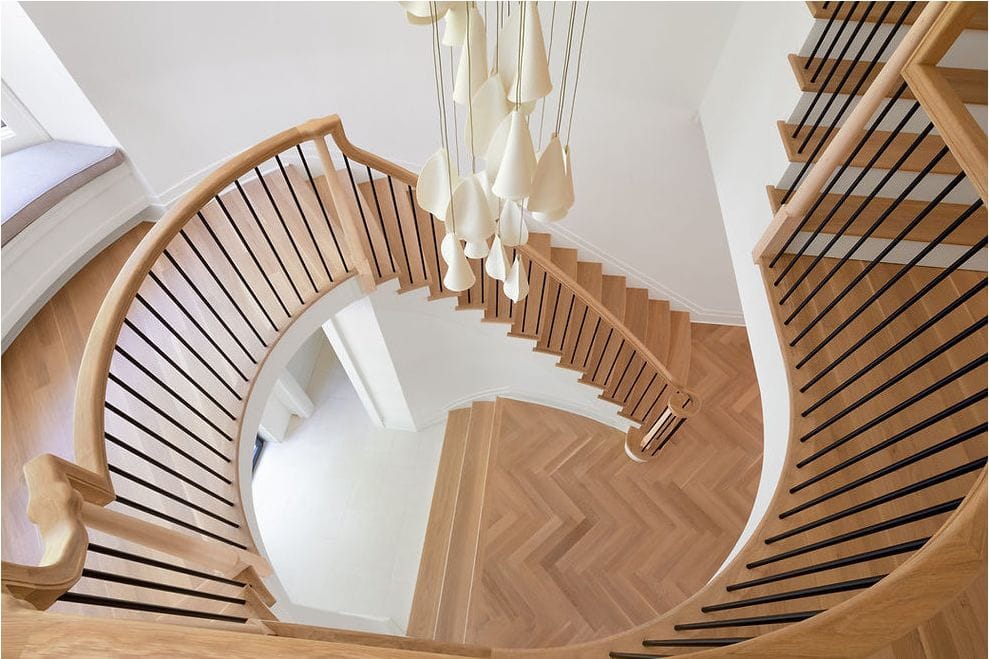
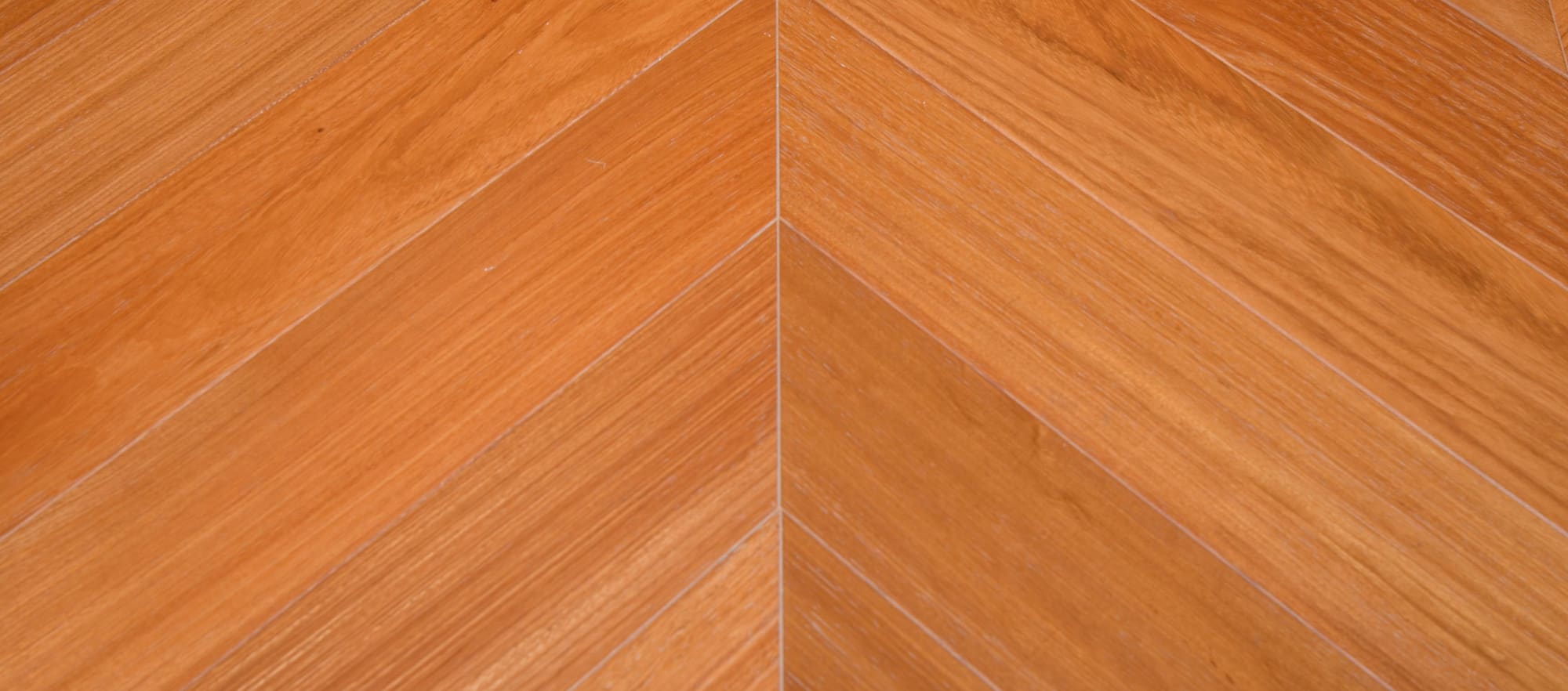
Pattern. Herringbone and chevron use short blocks, so each joint opens only slightly. A border around a pattern floor needs room to move where the two meet.
Finish and colour. Dark stains and square edges make gaps more noticeable. A small bevel and a mid-tone colour make the same movement harder to see.
Keeping humidity in range
- Measure first. Put a digital hygrometer in each main room, away from radiators and windows, and read it through a cold week.
- Add moisture. Steam-heated buildings have no ductwork, so humidifiers are room units. Evaporative models sized for the room work well. Buildings with central air handlers can sometimes add a humidifier to the system, with the building’s approval.
- Aim for the middle of the range. Holding 35 to 40 percent in January is a realistic target. In older buildings with original windows, higher settings can cause condensation on the glass.
- Control heat where you can. A thermostatic radiator valve or a fitted radiator cover reduces overheating, with the building’s permission.
- Run the air conditioning in summer. It removes moisture as well as heat, and keeps the floor from swelling at the other end of the year.
Radiators, risers and radiant heat
Boards next to a radiator or a steam riser dry more than the rest of the floor. Leave the expansion space around riser pipes that the installer provides, and cover it with an escutcheon instead of filling it.
A dripping radiator valve or air vent is the commonest cause of local staining and cupping in a pre-war apartment. If a few boards near a radiator have darkened or lifted at the edges, have the valve checked before the floor is repaired.
Some new condominiums have radiant heat in the slab. Use only flooring and adhesive that the manufacturer approves for radiant heat, bring the temperature up gradually at the start of the season, and keep the floor surface within the manufacturer’s limit, which is usually about 80 to 85°F.

What not to do
- Do not fill winter gaps. Filler put in during February is crushed or squeezed out when the boards swell in summer.
- Do not wet-mop. Water left in open joints swells the board edges.
- Do not judge a new floor in its first winter alone. Note the gaps and the hygrometer readings, then look again in June.
When to ask for an inspection
Ask for an inspection when gaps stay open through the summer, when boards are cupped, crowned or cracked, when a section sounds hollow or moves underfoot, or when damage follows a line from a radiator, a window or a kitchen. An NWFA-certified inspection measures the moisture in the wood and the subfloor, records indoor conditions, and states the cause in writing.
Summary
| Question | Short answer |
|---|---|
| Target conditions | 30 to 50% relative humidity, 60 to 80°F, all year |
| Most stable cut | Rift and quartered |
| Widest boards | Engineered, with the maker’s humidity minimum kept |
| Winter gaps | Normal if they close in summer; do not fill them |
| Near radiators | Check valves and vents for drips; leave space at risers |
The building has its own say in what floor you can lay. Our guide to replacing wood floors in a Manhattan co-op covers the alteration agreement, sound rules and subfloors. To talk through your own rooms, book a consultation.
The figures here are general industry guidance drawn from the National Wood Flooring Association and the US Forest Products Laboratory. The written requirements of the flooring manufacturer, and the rules of the building, always govern a specific project.
Questions
Quick answers
What humidity should I keep in a Manhattan apartment with wood floors?
- Between 30 and 50 percent relative humidity, at a room temperature of 60 to 80°F, all year. That is the range the National Wood Flooring Association gives for most wood floors. Check the flooring manufacturer's own figures as well, since some engineered floors set a higher minimum.
Are gaps between floorboards in winter a defect?
- Not usually. Narrow gaps that open in the heating season and close again in summer are normal movement in a wood floor. Gaps that stay open all year, gaps wide enough to catch a heel, or boards that have cupped or cracked point to a moisture problem or an installation fault and are worth an inspection.
Is engineered wood better than solid wood in a steam-heated apartment?
- Engineered wood changes less in width, so it shows smaller gaps, and it is the right choice over concrete. Solid oak is still a sound choice over a wood subfloor, particularly quarter-sawn and in moderate widths. In both cases the floor needs indoor humidity kept within the range its manufacturer states.